Trend forecasting is a massive sub-section within the fashion industry. Months of planning can go into identifying the biggest trends for the next season which we will eventually see within the fashion shows and the highstreet stores. We have just gone through the last lot of fashion weeks for SS19, and I wanted to look at the trends using Edited to identify what people like me will be wearing in Spring/Summer 2019.
Womenswear Spring 2019 Prints
AW18 has seen an influx of prints (yes, we all have a piece of leopard print in our wardrobes now). SS19 will continue with the prints trend following with brighter colours, mix matched prints and florals.
 Mix & Match: Versace Spring 2019 - (App.edited.com, 2018)
"Checks were loud in vibrant colors and often placed on workwear and outerwear. Big bold blooms were the forthcoming season's answer to florals, in abstract styles and bright hues, gracing occasionwear and workwear predominantly." - Edited
Slogans were a popular choice amongst designers this season - we will see it in 2019 too but this time with designers featuring their own logos and XXL repetitive text sprawled across the garments.
 Branding : Chanel Spring 2019 - (App.edited.com, 2018)
In addition to this colour-blocking will prove popular in SS19, in the form of workwear garments, making brighter colour more wearable and office appropriate. Alongside this, the final trend within prints will be abstract and arty. Large, artistic prints make up the garments; this trend may be interpreted in the form of outwear in the highstreet as a statement piece.
 Colour Blocking: Tibi Spring 2019 (App.edited.com, 2018)
People who fall into my tribe, I find they would take to this trend more than others as it's adaptable. There are bold patterns, more subtle prints, loud florals and toned-down colour blocking. There is something for everyone. I personally change my style on a daily basis, so therefore this forecast for a "patterns" trend will have something to suit every day of the week.
Images and Information
App.edited.com. (2018). Log In | EDITED Accounts. [online] Available at: https://app.edited.com/#runway/article/runway-overview-spring19-print [Accessed 23 Nov. 2018].
Colour Blocking: Tibi Spring 2019 (App.edited.com, 2018)
People who fall into my tribe, I find they would take to this trend more than others as it's adaptable. There are bold patterns, more subtle prints, loud florals and toned-down colour blocking. There is something for everyone. I personally change my style on a daily basis, so therefore this forecast for a "patterns" trend will have something to suit every day of the week.
Images and Information
App.edited.com. (2018). Log In | EDITED Accounts. [online] Available at: https://app.edited.com/#runway/article/runway-overview-spring19-print [Accessed 23 Nov. 2018].

Houghton, H. 2018
South Africa has a shortage of career opportunities which, for the younger generations is causing frustration. As a result of this, they are forming new subcultures derived from local traditions, helping to create a sense of unity between them. They are sceptical of Westernised Christianity, so are embarking on journeys of spiritual self-discovery.
The unemployment rate of 15-24 year olds in South Africa is 52.4% - over half of that demographic. Due to this high unemployment rate there are alternative routes emerging to try and find work. One of these routes has been the development of digital skills which many young people have developed at school or through socialising.
Alongside this is potential for Generation Z to look into employment in agriculture. To encourage young people to consider a career in farming to help tackle the country's food shortages.
There is also an increase in spirituality in the country. Africa is home to the largest number of Christians in the world, however, young people are seeking guidance or escapism are opting for tradition African spirituality.
This emerging market may be key so solving some issues such as sustainability and ethical issues within different industries. It appears South African youths are keen workers despite the lack of employment. This could be a key market to tap into in both the production side of businesses as well as the consumption side.
Post Influenced by LSN Global
Houghton, H. (2018). Emerging Youth: South Africa. [online] Emerging Youth: South Africa | LS:N Global. Available at: https://www.lsnglobal.com/markets/article/23092/emerging-youth-south-africa [Accessed 21 Nov. 2018].
Image Reference
Houghton, H. (2018). Emerging Youth: South Africa. [online] Emerging Youth: South Africa | LS:N Global. Available at: https://www.lsnglobal.com/markets/article/23092/emerging-youth-south-africa [Accessed 21 Nov. 2018].
Fashion is an industry which takes inspiration from the past, whether it be from art, architecture, other fashion pieces and pretty much everything around us can be a piece of inspiration. The issue arises when that inspiration is not fully credited, or credited at all. When major brands rip of independent designers - knowing full well they do not have the funds go against them legally.
Below are some examples of work being "ripped off" by large companies:
Moschino SS19 vs Edda Gimnes Spring 2016
 Mau D, 2018
Balenciaga £1600 vs IKEA £0.99
Mau D, 2018
Balenciaga £1600 vs IKEA £0.99
 Connor, 2018
It appears that there are three routes that can be taken when work is being ripped off. Either accept the fact it's happened and know you can't do anything about it, you can ride the wave and capitalise off of your designs which have been stolen (as IKEA did that I will show below), or you can sue the crap out of that company and hope you win.
Connor, 2018
It appears that there are three routes that can be taken when work is being ripped off. Either accept the fact it's happened and know you can't do anything about it, you can ride the wave and capitalise off of your designs which have been stolen (as IKEA did that I will show below), or you can sue the crap out of that company and hope you win.
 Morby, A. 2018
This topic has highlighted the importance of guarding your own work when it comes to creative ideas. The likes of Facebook and Google own the rights to every single one of our images that we post. Our face may be on an advert in China or used to promote the latest product and we have no right to it, or the right to be paid expenses.
Morby, A. 2018
This topic has highlighted the importance of guarding your own work when it comes to creative ideas. The likes of Facebook and Google own the rights to every single one of our images that we post. Our face may be on an advert in China or used to promote the latest product and we have no right to it, or the right to be paid expenses.
As someone who is creating content at university as well as on this blog, it's essential that I understand my rights as a creator and to really think about what I'm posting on my socials as they can be used without my permission.
I see everyday on my Facebook people posting images of their children and families. I am guilty of it too. It's just key to remember that despite your profile being on private, so many people have access to those images and may use them for malicious reasons.
Bibliography
Mau, D. (2018). Did Jeremy Scott Copy This Emerging Designer in His Spring 2019 Moschino Collection? [Updated]. [online] Fashionista. Available at: https://fashionista.com/2018/09/edda-gimnes-moschino-spring-2019 [Accessed 21 Nov. 2018].
Connor, L. (2018). Ikea's brilliant response to Balenciaga’s £1,600 blue bag. [online] Evening Standard. Available at: https://www.standard.co.uk/lifestyle/design/ikea-responds-to-balenciaga-s-1600-blue-bag-in-the-best-way-possible-a3525256.html [Accessed 21 Nov. 2018].
Morby, A. (2018). IKEA responds to Balenciaga's take on blue bag with spot-the-difference guide. [online] Dezeen. Available at: https://www.dezeen.com/2017/04/26/ikea-responds-balenciaga-frakta-blue-bag-spot-difference-guide-design-fashion-news/ [Accessed 21 Nov. 2018].
 If I asked you to think of department stores what are some of the top that you think of?
Harvy Nichols
Selfridges
Harrods
Debenhams
John Lewis
House of Fraser
There are obvious differences between these stores, I'd personally place Harrods at the top and House of Fraser at the bottom in terms of high end/ mass market. This constructed structure of luxury means some brands will only have concessions in certain department stores.
 (McGregor et al., 2018)
Brands like Louis Vuitton, Chanel and Prada may be in Selfridges, Harvey Nichols and Harrods - definitely not in House of Fraser. Why is this? What sort of customer only shops in Harrods and not Debenhams?
The beauty scale seems to be slightly different. I know that Charlotte Tilbury, MAC and Giorgio Armani are in both Selfridges and House of Fraser. Does this mean that beauty has an entirely different scale to fashion.
Designer and high end beauty products can be seen as a gateway into luxury brands. A Giorgio Armani lipstick is £30 (still a lot for a lipstick), whereas their handbags and clothing is on average £1,000+. Therefore, Sally down the road may not be able to afford an Armani handbag but she can sure enough treat herself to an Armani lippie.
 (Hmkm.com, 2018)
In this instance by having the same beauty brands in different department stores you are reaching a wider demographic which helps to increase sales. However, if Chanel were in a House of Fraser in Lakeside, I doubt their turnover and sales profits for that store would match that of Selfridges or Harrods.
Image References
McGregor, K., Moran, G., Moran, G., McGregor, K., Brown, H. and Geoghegan, J. (2018). Creating a special place: How Selfridges is revitalising the store experience. [online]
Drapers. Available at: https://www.drapersonline.com/retail/creating-a-special-place-how-selfridges-is-revitalising-the-store-experience/7016282.article [Accessed 21 Nov. 2018].
Hmkm.com. (2018). HMKM - Selfridges Beauty. [online] Available at: http://www.hmkm.com/work/interior-design/content/selfridges-beauty/ [Accessed 21 Nov. 2018].
 A recent article posted on Business of Fashion named "Plus-Size, Transgender and Disabled Models Speak out Against Victoria's Secret" - origin Vogue.co.uk - highlighted the ignorance of the brand and their struggle to connect with the next generation of consumers.
I remember looking at the VS fashion show a few years ago, seeing those long limbs strut down the catwalk in barely-there lingerie as everyone in the audience drooled as they strutted past, hair in the wind and wings on full display. I couldn't help but be mesmerised by their beauty and their figure, they were a fantasy.
But, that's the key phrase. "A fantasy". It's not real. They don't just wake up like that, they train and they eat very, very little before the shows, they have their hair and makeup done by artists and the lighting flatters their every angle. They are not real. But the BS that Victoria's Secret keeps pumping out, is.
 Ed Razek, the chief marketing officer of VS said in a recent interview how they wouldn't feature plus size or transgender models in their shows as it's meant to be a fantasy. How ignorant can you get. VS sales have been on a decline since 2016, have they ever stopped to think it's due to the fact they're only catering for one demographic.
How is a plus sized, disabled or trans women meant to envisage themselves wearing VS items if they have no one to display it for them?
The generation which is emerging, Millennials and those after, I feel are done with the days of super skinny, unrealistic models. They want new, fresh and representative. They want to see a true replica of society on the catwalks: black, white, thick, thin, abled, disabled, female/male/gender fluid/ gender neutral and trans.

When will brands learn that by incorporating more and more demographics in their ads and shows, it will improve their sales? From a business point of view, clearly this is the way to go.
And this is not a reflection of the retail staff and those who work for the stores of VS. I have been into a few VS stores and have never felt look down upon. It's just ashamed this attitude can't be reflected higher up the business.
Image References
https://fashionista.com/2018/09/victorias-secret-fashion-show-models-2018#&gid=ci023341e970002564&pid=gettyimages-876613206
What's my favourite brand?
I don't particularly have a favourite brand. I just like what works. I have a Chanel bronzer (£32) and a Makeup Revolution bronzer (£4) and I love them both equally. The same goes for my clothing. I'm a practical person, so whatever works best for me is where I put my money. Although, I do love Whistles, unfortunately my purse doesn't allow it.
If I were a colour, what colour would I be?
 This is my brand colour, it's neutral, a little purple, a little brown, a lot of me.
If I were a pattern, what pattern would I be?

So, I have two defining sides to me personality. One is sleek, professional, minimal. The other is a burst of colour, a little chaotic, loving a multitude of different things and aspects of life. It might seem random, but if you look close everything together is harmonious and works. That is what I feel like I am - as a pattern at least.
Images which represent me, what's the tone of the images?
 What is my strapline?
Do what you want.
What is my strapline?
Do what you want.
If I were a meme, what meme would I be?


It's no secret that everybody seems to be offended by everything these days. From Kleenex having to rename their "Mansized" tissues to making sure you address someone politically correct. All of these controversial topics (using the term controversial loosely here), means our focus is taken away from the real issues.
Doing fashion promotion we are encouraged to consider the implications that certain images may have on different demographics. Whether it will be deemed offensive or cause controversy. It seems many fashion brands want to go for the shock factor; however, there is a fine line between shocking and causing offence.
Take a look at the images below...
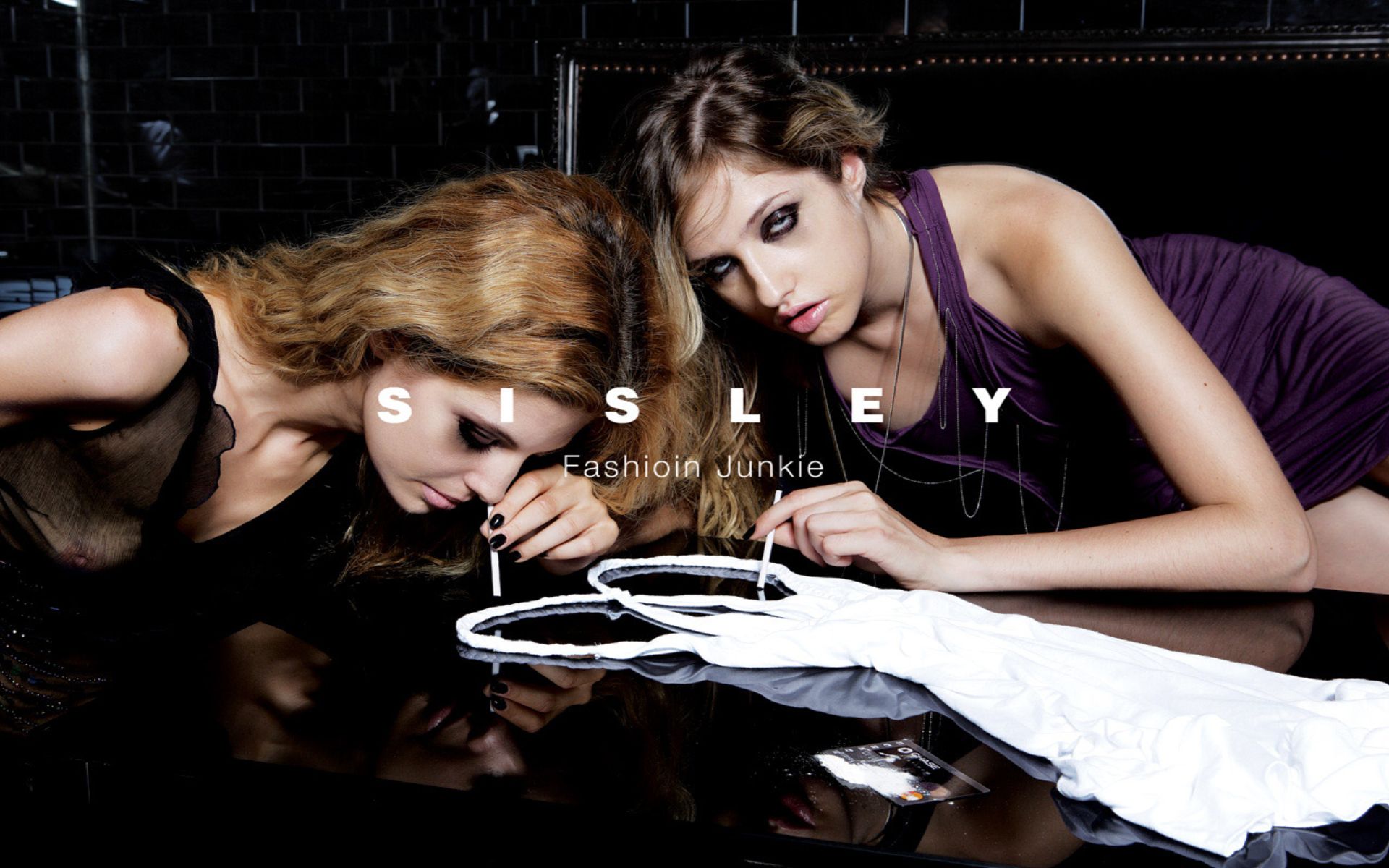
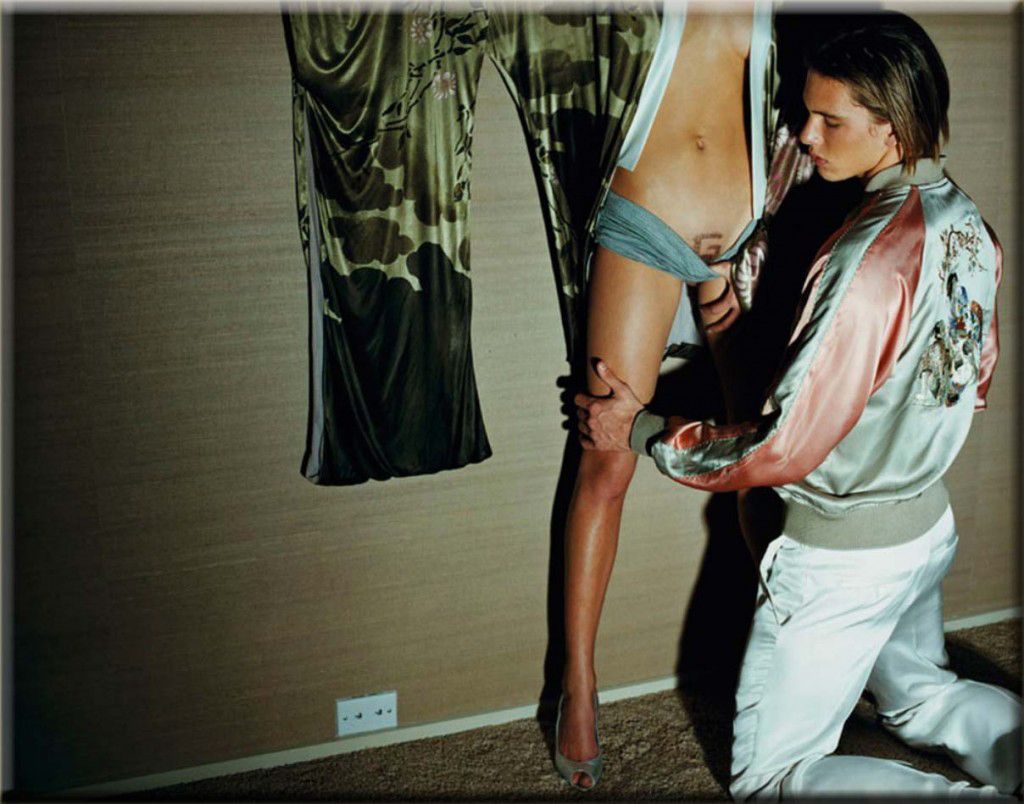
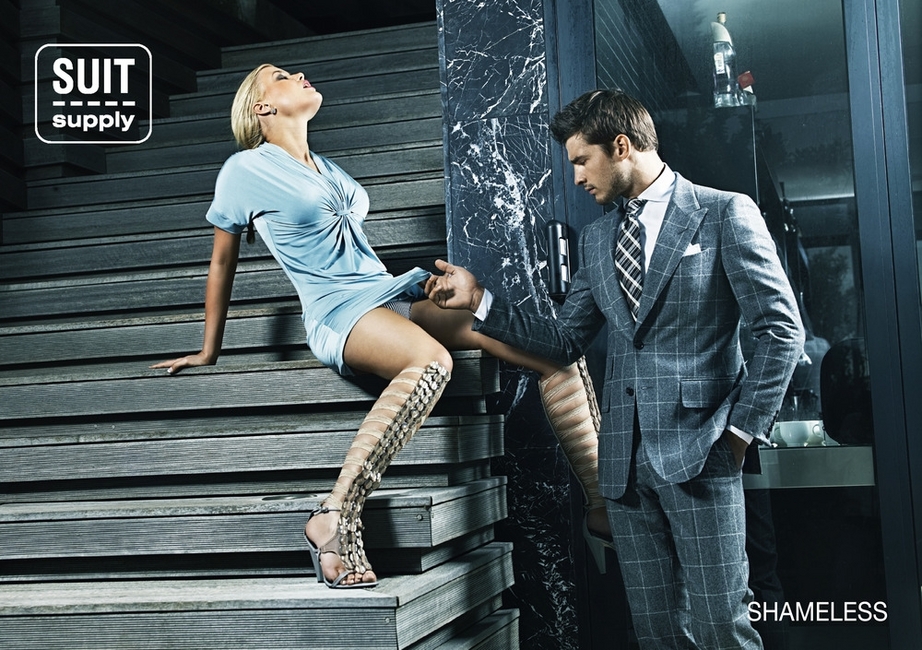
These are some of the images we looked at today, and we all had different opinions on them. Some viewed them as female empowerment, others saw them as female victimisation. Personally, I think they're unecessary, there seems to be no art direction behind them apart from the concept that "sex sells".
The Sisley ad I find on a whole other level. Making drugs fashionable and sought after can be extremely damaging to young minds and could even possibly sway someone down the wrong path if it's seen as desirable. Capitalising on these kinds of topics I believe can completely deface a brand, make them seem unwanted.
On the flip side to this, keeping up with politics and society can be beneficial to brands. If they can create more social awareness as well as promote their own product I don't see a problem with that. A lot of it is how it done - whether it';s tasteful or not. As well as where the advert is placed, an advert on a billboard may have to be more conservative as it's seen by many people all from different demographics. Whereas, if it's in a magazine you're only really appealing to one type of demographic so you might be able to step outside the box a little more.
The question is where is the line.
References
http://tisotit.blogspot.com/2011/11/pizza-coke-pic.html
http://www.womensviewsonnews.org/2010/11/confirmation-tweet-suit-supply-asked-to-remove-offensive-images/


